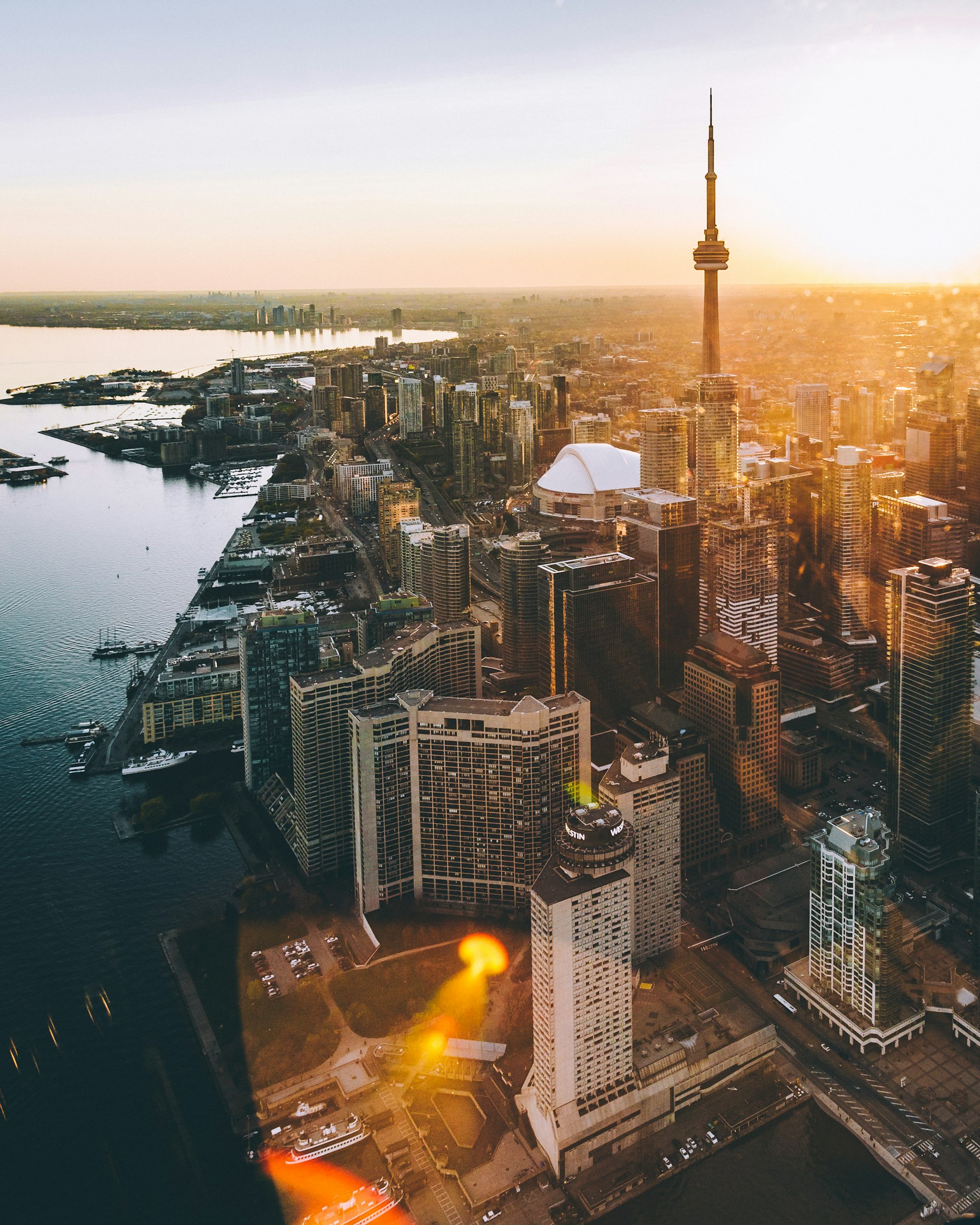
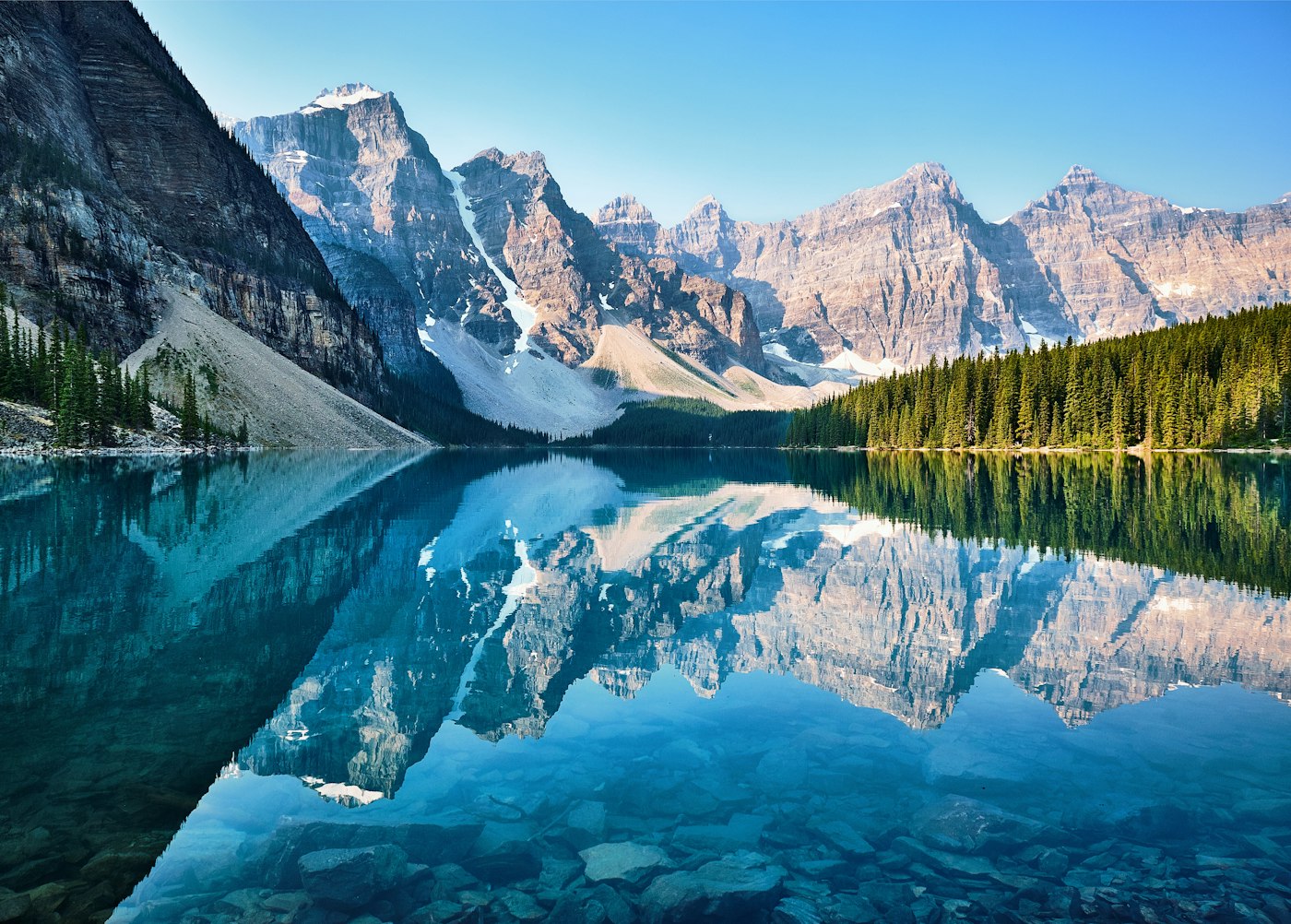
Canada is a country of enormous contrasts. In a single afternoon you can cross a prairie horizon that looks like it was drawn with a ruler, climb a mountain pass locked in July snow, and eat fresh snow crab off a dock where the fishermen still speak a French that hasn't changed much since the 1700s.
No one page, and no one writer, could pretend to sum that up. What we've tried to do on True North Guide is something more modest but, we hope, more useful: give every province and territory its own home, give the cities inside them real attention, and answer the specific questions people actually ask before they visit, move, study, or settle in.
Everything on this site is written in-house. We don't pull boilerplate from tourism boards, and we don't run AI-generated filler. When we say a neighbourhood is worth walking through, someone on the editorial team has walked through it. When we describe the cost of a one-bedroom apartment, we've checked listings in the last quarter. Canada is changing fast — rents in Halifax, transit in Ottawa, immigration caps in every province — so pages are reviewed at least twice a year and dated at the bottom.
If you're planning a trip, start with our travel tips for a quick orientation to seasons, money and moving between regions. If you're curious about a specific place, jump straight to its province below. If you want to understand why Canadians talk about the country the way they do — a federation of distinct regions more than a uniform nation — keep reading.
A Quick Orientation
Canada is a federation of ten provinces and three territories, stretching 5,500 kilometres from the Atlantic to the Pacific and another 4,600 kilometres north from the 49th parallel to Ellesmere Island. Roughly 41 million people live here, but more than 80 percent of them live within 150 kilometres of the United States border. The rest of the country — the boreal forest, the tundra, the Arctic archipelago — is some of the emptiest land on the planet.
The federation isn't uniform. Each province sets its own laws on education, health care, property, alcohol, tenancy, and much more. Quebec uses civil law; the rest of the country uses common law. A driver's licence from New Brunswick works in Saskatchewan, but the rules of the road, the speed limits, and even the way you turn left on a green arrow can differ. Understanding Canada means understanding its regions, not just the federal government in Ottawa.
Explore the Provinces & Territories
Click any card below for a long-form guide to that province or territory, including major cities, neighbourhoods, history, economy, education, housing, sport, food, and answers to the questions travellers and newcomers ask most often.
Ontario
Canada's most populous province and economic engine. Toronto, Ottawa, Hamilton, Niagara, Kingston, Windsor, Thunder Bay and the cottage country in between.
Read the Ontario guide →Quebec
French-speaking, civil-law, and culturally distinct. Montreal, Quebec City, Gatineau, Sherbrooke, Saguenay and the Laurentians.
Read the Quebec guide →British Columbia
Mountains meet the Pacific. Vancouver, Victoria, Whistler, Kelowna, Tofino and a coastline of fjords, ferries and old-growth forest.
Read the BC guide →Alberta
Oil, ranchland and the Rockies. Calgary, Edmonton, Banff, Jasper, Lethbridge — and Canada's only province with no provincial sales tax.
Read the Alberta guide →Manitoba
The Keystone Province — grain elevators, polar bears at Churchill, a serious arts scene in Winnipeg, and some of the coldest winters on the continent.
Read the Manitoba guide →Saskatchewan
Wide open prairie, agriculture and potash. Saskatoon, Regina, and the living-skies landscape Canadian painters keep coming back to.
Read the Saskatchewan guide →Nova Scotia
A peninsula that feels like an island. Halifax, the Cabot Trail, Peggy's Cove, and a 400-year history tied to the sea.
Read the Nova Scotia guide →New Brunswick
Canada's only officially bilingual province. Fundy tides, Acadian villages, covered bridges and Saint John's quiet downtown.
Read the New Brunswick guide →Newfoundland & Labrador
Canada's easternmost province, half an hour ahead of the mainland. Icebergs, accents you'll lean in for, and the continent's oldest European settlement.
Read the NL guide →Prince Edward Island
The smallest province, joined to the mainland by one of the world's longest bridges. Red-earth fields, Anne of Green Gables, and serious seafood.
Read the PEI guide →Yukon
Gold-rush country. Endless summer light, aurora-dark winters, and a road system that feels like a secret.
Read the Yukon guide →Northwest Territories
Great Slave Lake, the Mackenzie River, diamond mines and the best aurora viewing in the country.
Read the NWT guide →Nunavut
Canada's newest territory, created in 1999 — one of the least densely populated political divisions on Earth, Inuit-governed and Arctic to the core.
Read the Nunavut guide →What You'll Find Inside Each Guide
Province pages are organised the same way, so you can move between them without getting lost. Each one opens with a short orientation — how big it is, what it's known for, what the weather actually does — and then goes city by city through the places most visitors spend time.
For every major city we cover the same core ground. Post-secondary education: which universities and colleges have which strengths, what student life is actually like, what tuition costs domestic and international students, and where students live. Housing: rents and ownership prices by neighbourhood, what's worth paying for, what's overhyped, and how the rental market actually works locally. Cultural scene: festivals, food, music, museums, theatre, the small things that give a place its identity, plus the tourist attractions and restaurants worth your time. Sports and recreation: pro and university teams, public facilities, parks, and the outdoor culture that defines a city's weekends.
We also answer the awkward but practical questions: how taxes differ, how health care works for newcomers, what the local political tone is like, what's safe to wear in winter, and what the etiquette points are that catch first-timers. The articles are written as if you asked a Canadian friend. They're long because the questions are real and the answers deserve more than a line.
Practical Resources
Beyond the province guides, we publish practical resources for travellers and newcomers:
- Travel tips for Canada — visas, money, tipping, seasonal timing, rental cars and inter-city transit.
- City directory — every major Canadian city covered on the site, sorted alphabetically with population and provincial links.
- Provinces & territories index — all 13 jurisdictions at a glance with capitals, population and date of joining Confederation.
- About True North Guide — who we are, how we fund the site, and how to contribute a correction.
How This Site Is Funded
True North Guide is independent and free to read. We pay writers and researchers with revenue from display advertising and a handful of affiliate partnerships with Canadian businesses (bookstores, small tour operators, insurance brokers). Ads are clearly labelled. We do not accept payment for favourable coverage, and no province, city or sponsor has editorial input on what we publish. For the full policy see our Editorial Policy.