
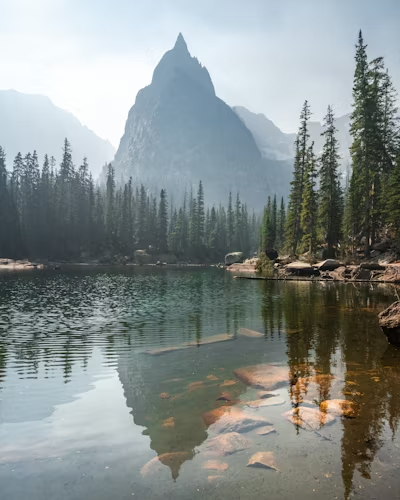
Choose a region first
The USA is too large for one trip. Start with a region and build a route around one or two anchor cities.
Plan
Plan a U.S. trip with transportation tips, seasonal advice, road-trip ideas, budget planning and itinerary structure.

Guide sections
This page uses the same professional design system as the rest of the site, with image cards, practical context and strong internal links.
The USA is too large for one trip. Start with a region and build a route around one or two anchor cities.

Renting a car is often the best way to connect parks, small towns, beaches and scenic drives.

Major airports make long jumps easier; use road trips for the final regional layer.
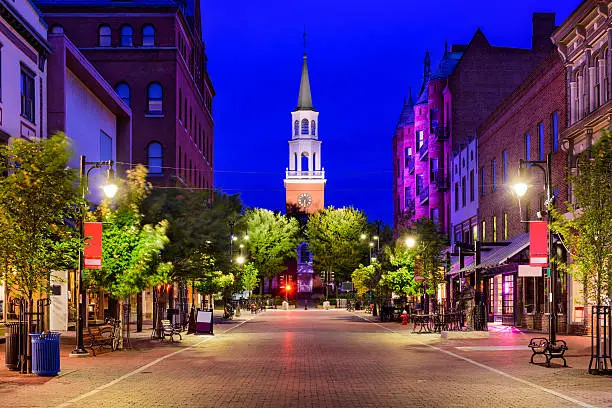
Summer crowds, winter storms, desert heat and fall foliage can completely change a route.

Big cities and resort areas cost more; smaller towns, grocery stops and free parks can balance the trip.

Weather, traffic and distances make flexible days important, especially with national parks.
Connected content
Combine this guide with states, cities, regions and travel tips to create a stronger route, project or research plan.
Browse statesFive-day itinerary
Load the full day-by-day plan with route ideas, food stops, local context, pacing notes and estimated mid-range costs.
New planning tool
Pick any state, load the guided route, compare daily costs and open the matching state guide for deeper context.
Create a travel itineraryTravel Tips focuses on the practical decisions that make a U.S. trip work: season, distance, transit, road trips, national parks, daily budgets, tipping, safety, weather, and time zones.
Use it with the itinerary builder to turn broad ideas into realistic days.
Practical planning
The USA is large enough that planning by distance alone can mislead visitors. A route that looks simple on a map may involve traffic, mountain roads, weather delays or long stretches without major services. Good planning starts with pace, season and transportation.
Visitors should choose fewer bases, protect rest time and budget honestly for hotels, food, parking, fuel and attraction fees. National parks often require reservations or early starts; major cities reward neighbourhood planning; rural routes require more fuel and timing awareness.

Two to three bases in a week is usually more enjoyable than changing hotels every night.
Heat, snow, hurricanes, wildfire smoke and park road closures can shape the best route.
Parking, resort fees, tolls and tips can change the real daily budget quickly.
Useful details
This page is built to help visitors make a real choice, not just click through a directory. Read it as a planning page: identify the strongest places, compare the practical details, then connect the page to states, cities, food, culture and itinerary tools.
Choose the best season, build around one or two anchor experiences, and leave space for meals, walks, local stops and slower moments that make a trip feel personal.
Look for the regional story behind the place: geography, migration, industry, music, food, sport, architecture, politics or natural landscape. That context makes each stop more memorable.
Use the internal links to move from broad overview to detailed state pages, city guides, culture features, food routes and five-day itineraries with cost guidance.
Tip: build trips around contrast — one famous landmark, one local neighbourhood, one regional meal and one story worth remembering.