Historic Sites
Canada's National Historic Sites preserve the physical evidence of the people, events and ideas that shaped the country — from Viking settlements 1,000 years old to Basque whaling stations, Jesuit missions and the engineering works of the young Dominion. Many are UNESCO World Heritage Sites, recognised for their outstanding universal value to all humanity.

Fortress of Louisbourg
The largest reconstructed fortress in North America, built by the French between 1719 and 1745 to guard the entrance to the St. Lawrence River. Captured twice by British forces and razed in 1760, the site has been painstakingly rebuilt to its 1740s appearance — working bakeries, cannons, costumed interpreters and all. A Parks Canada National Historic Site of extraordinary ambition.

Joggins Fossil Cliffs
A UNESCO World Heritage Site where the world's highest tides continuously erode 310-million-year-old cliffs to reveal new fossils. The ancient coal-age forest preserved here — trees with reptiles fossilized inside — gave Charles Darwin and Charles Lyell critical evidence for their theories of deep time and evolution. The Joggins Fossil Centre explains this living geological laboratory.

L'Anse aux Meadows
The only authenticated Norse settlement in North America, established around 1000 AD on Newfoundland's northernmost tip — five centuries before Columbus. Excavated in the 1960s by Helge and Anne Stine Ingstad, the UNESCO World Heritage Site preserves the turf-and-timber remains of eight buildings where Leif Erikson's people lived briefly before returning to Greenland.

Lunenburg
Founded in 1753 as a British colonial settlement and designated a UNESCO World Heritage Site for its exceptional preservation of that original planned colonial town plan. The colour-drenched wooden architecture of its historic waterfront — home port of the Bluenose II, the schooner on Canada's dime — has made it one of the most photographed small towns in the country.

Red Bay
A UNESCO World Heritage Site marking the most significant 16th-century Basque whaling station ever found. Between 1550 and 1600, Basque whalers crossed the Atlantic to process bowhead and right whales here, producing more oil than anywhere else in the world. The site's underwater archaeology has revealed a remarkably complete picture of the era's transatlantic economy.

Rideau Canal
A 202-kilometre UNESCO World Heritage Site stretching from Ottawa to Kingston — the oldest continuously operated canal system in North America. Built between 1826 and 1832 as a military supply route, the canal now forms the world's largest naturally refrigerated skating rink each winter, drawing hundreds of thousands of Ottawans onto the ice between Parliament Hill and the Château Laurier.

Sainte-Marie Among the Hurons
Canada's first European community north of the Gulf of Mexico, established by Jesuit missionaries in 1639 among the Wendat (Huron) people near Georgian Bay. A full-scale reconstruction of the 1640s settlement — longhouses, blacksmith shop, chapel and hospital — brings the complex, often tragic story of early French-Indigenous contact vividly to life.

Waterton-Glacier International Peace Park
The world's first international peace park (1932), straddling the Canada-USA border between Alberta and Montana. A UNESCO World Heritage Site where the Rocky Mountain geology transitions from rolling prairie to jagged peaks in the space of a few kilometres — with no foothills buffer. The park's combination of prairie, mountain, and alpine ecosystems is unique in the Rockies.
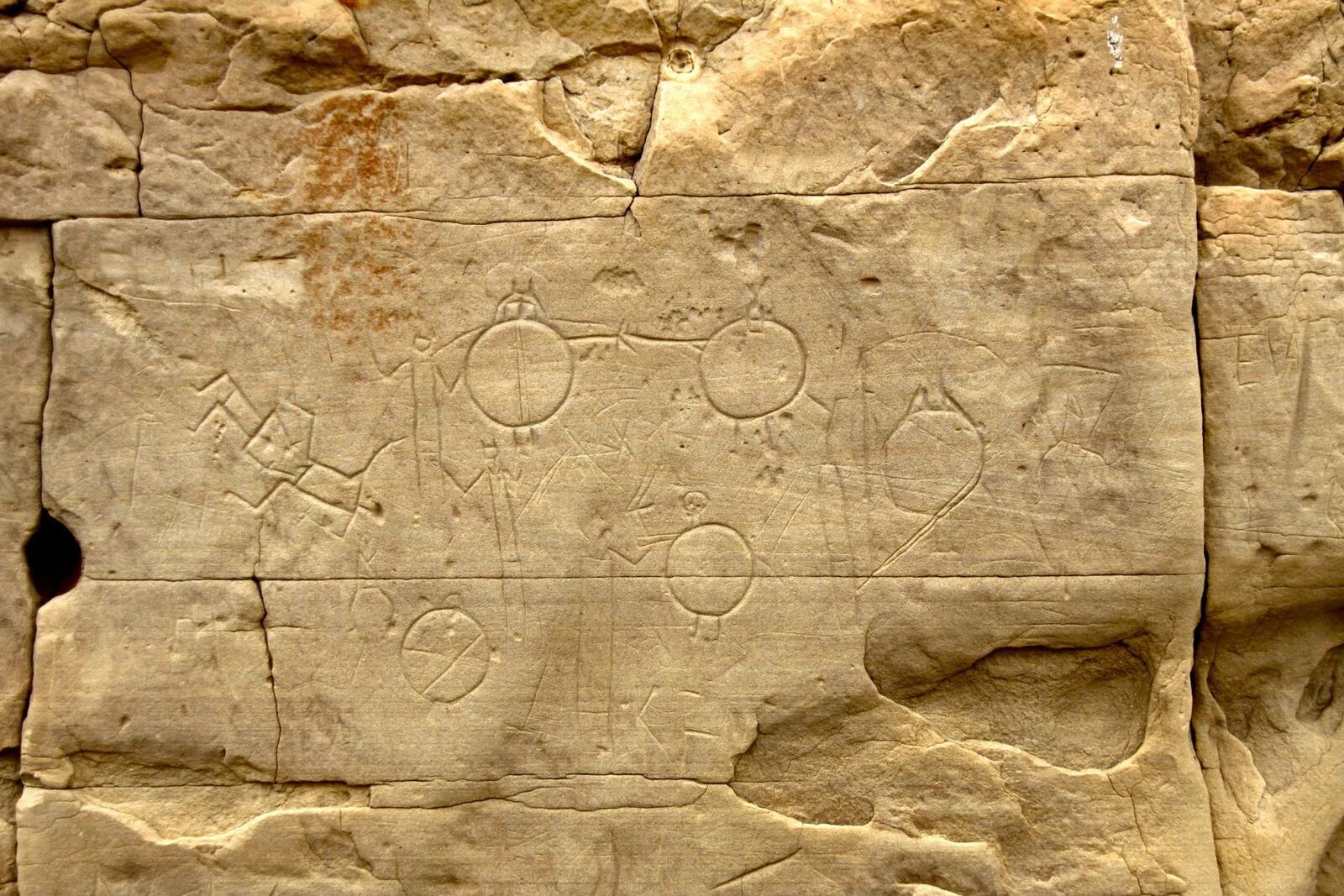
Writing-on-Stone
A UNESCO World Heritage Site protecting the largest concentration of Indigenous rock art on the Great Plains of North America. The Blackfoot people have used this sacred valley of the Milk River — with its extraordinary hoodoo formations sculpted by wind and water — for thousands of years, and their petroglyphs and pictographs remain visible across hundreds of panels along the canyon walls.
Landmarks
From the thunder of Niagara Falls to the spires of the Château Frontenac, Canada's great landmarks range from natural wonders to architectural icons and engineering achievements. These are the places that appear on every visitor's list — and exceed every expectation.

Niagara Falls
The most powerful waterfall in North America — 2,800 cubic metres of water per second thunder over the Horseshoe Falls into the gorge below. Over 30 million people visit each year, making it the most-visited natural landmark in North America. The Canadian Horseshoe Falls, more than twice the width of the American Falls, is the centrepiece of an extraordinary natural border.

Parliament Hill
The Gothic Revival seat of Canadian democracy perched on a limestone bluff above the Ottawa River, dominated by the 92-metre Peace Tower. Home of the Senate and House of Commons, with the eternal Flame of Confederation burning at the gates. The Changing of the Guard takes place each summer morning on the broad front lawn — one of Canada's great ceremonial set-pieces.

Stanley Park
A 405-hectare old-growth forest peninsula surrounded on three sides by ocean, within walking distance of downtown Vancouver. The 8.8-kilometre seawall, the totem poles at Brockton Point, Prospect Point above the Lions Gate Bridge, and the Lost Lagoon make it one of the great urban parks in the world — the most visited in Canada.

Old Quebec City
The only fortified city north of Mexico in North America, with 4.6 kilometres of intact stone walls and a UNESCO-listed historic district that preserves the atmosphere of 17th-century New France. The Lower Town (Basse-Ville) and Upper Town (Haute-Ville) together form a layered history of French colonial ambition, British conquest and Québécois cultural tenacity.

Peggy's Cove
A tiny fishing village at the tip of a granite headland in St. Margarets Bay, Nova Scotia — probably the most photographed lighthouse in Canada. The smooth glaciated rock descending to the sea around the 1914 lighthouse has made it an icon of the Atlantic coast. Humpback and finback whales are regularly spotted from the headland in summer.

Château Frontenac
The world's most photographed hotel, built by the Canadian Pacific Railway in 1893 on the site of the old colonial governors' château above Old Quebec City. The Fairmont Le Château Frontenac — with its copper-green turrets, stone walls and river-facing terraces — has been the defining image of Quebec City for over 130 years and the backdrop for the 1943 Quebec Conference.

Icefields Parkway
A 232-kilometre highway between Banff and Jasper widely considered one of the most spectacular mountain drives on Earth. Running through the spine of the Canadian Rockies past glaciers, turquoise lakes, columnar waterfalls and towering peaks, the Parkway connects the Columbia Icefield — one of the largest non-polar ice masses in North America — to Jasper's wilderness.

Signal Hill
A National Historic Site above the Narrows entrance to St. John's Harbour where Guglielmo Marconi received the first transatlantic wireless telegraph signal in December 1901. Cabot Tower, built in 1897 to mark the 400th anniversary of John Cabot's voyage, stands at the summit. The surrounding parkland offers the most dramatic harbour views on the Atlantic coast.

Notre-Dame Basilica
The most visited tourist site in Montreal, built between 1824 and 1829 in a Gothic Revival style that leaves visitors overwhelmed by the intricacy of its hand-carved wood interior, midnight-blue vaulted ceiling studded with gold stars, and towering gilded altarpiece. Céline Dion married René Angélil here in 1994. The acoustics are considered among the finest in North America.

Rideau Canal, Ottawa
In winter the Rideau Canal becomes the world's largest naturally refrigerated skating rink — 7.8 kilometres of groomed ice from the National Arts Centre to Dows Lake, lined with BeaverTails stands and hot-chocolate vendors. Built between 1826 and 1832 under Lt. Col. John By of the Royal Engineers, the canal was a military project that became one of Canada's best-loved recreational arteries.

Cape Spear
The easternmost point in North America, a windswept headland south of St. John's where the lighthouse (the oldest surviving in Newfoundland, built 1836) overlooks the open North Atlantic. Humpback whales pass within sight of the cape each spring, and massive icebergs drift south along Iceberg Alley every June. A National Historic Site of outstanding natural drama.

Head-Smashed-In Buffalo Jump
A UNESCO World Heritage Site in the foothills southwest of Lethbridge where Blackfoot hunters drove bison herds over a natural cliff for nearly 6,000 years. The stratified bone deposits at the base of the cliff are up to 11 metres deep — the most sophisticated and best-preserved pre-European hunting site on the Great Plains. The interpretive centre is built into the cliff face itself.

Old Montreal
The historic heart of Canada's second-largest city, where cobblestone streets, 17th-century stone buildings, and the Old Port stretch along the St. Lawrence River. The Place d'Armes, the Basilica, the Bonsecours Market, and the Pointe-à-Callière archaeology museum — built over the original 1642 founding settlement — make Old Montreal the richest archaeological and architectural quarter in Canada.

Jasper National Park
Canada's largest Rocky Mountain national park, covering 10,878 square kilometres of wilderness designated a UNESCO World Heritage Site. The Columbia Icefield, Maligne Lake, Mount Edith Cavell and the dark-sky preserve around the town of Jasper — which has the world's largest dark-sky preserve accessible to visitors — make Jasper one of the great wilderness destinations in North America.

Kluane National Park
A UNESCO World Heritage Site containing Canada's highest peak (Mount Logan, 5,959 m — the highest mountain in Canada and the second-highest in North America) and the world's largest non-polar icefield outside Antarctica. Shared with Alaska's Wrangell-St. Elias National Park and BC's Tatshenshini-Alsek Park, the combined UNESCO site is the largest protected area in the world.

Nahanni National Park Reserve
One of Canada's first UNESCO World Heritage Sites (1978) and one of the world's great wilderness parks. Virginia Falls — twice the height of Niagara — is the centrepiece, and the South Nahanni River runs through four enormous canyons that dwarf the Grand Canyon in places. Accessible only by float plane or a multi-day whitewater expedition.

Pacific Rim National Park Reserve
A 51,000-hectare park on the wild western coast of Vancouver Island, comprising the Long Beach surf beaches, the Broken Group Islands archipelago and the 75-kilometre West Coast Trail — one of the most challenging and rewarding multi-day hikes in North America. Grey whales pass in their thousands each spring on their annual Pacific migration.

Gros Morne National Park
A UNESCO World Heritage Site on Newfoundland's west coast where the geology is so extraordinary it helped prove the theory of plate tectonics. The Tablelands — a flat-topped massif of orange peridotite rock from the Earth's mantle, exposed by tectonic collision — sit beside glacially carved fjords 600 metres deep. One of the most geologically significant landscapes on Earth.

Cape Breton Highlands
A national park occupying the northern tip of Cape Breton Island, where the Cabot Trail — consistently ranked among the most scenic drives in the world — winds 298 kilometres through highlands, coastal cliffs and fishing villages. The park protects old-growth Acadian forest, moose habitat and dramatic coastal headlands above the Gulf of St. Lawrence.

Butchart Gardens
A 22-hectare display garden in a former limestone quarry on the Saanich Peninsula north of Victoria, drawing over a million visitors a year since 1904. The Sunken Garden, Japanese Garden, Italian Garden and Rose Garden bloom through ten months of the year. Saturday evening fireworks in summer and elaborate winter lighting have made Butchart Gardens one of the most-visited attractions in western Canada.

Fundy National Park
A national park on the shores of the Bay of Fundy, where the world's highest tides — reaching 16 metres — reshape the coast twice each day, exposing vast mudflats teeming with migratory shorebirds. The park's 25 waterfalls, old-growth forest, ocean-cooled microclimate and extraordinary tidal range make it one of the most distinctive ecosystems on the Atlantic seaboard.

Algonquin Provincial Park
Ontario's oldest and most celebrated provincial park, established in 1893 — a 7,725-square-kilometre wilderness of lakes, rivers, hardwood forests and taiga that has shaped Canadian art, ecology and outdoor culture for more than a century. Tom Thomson paddled and painted here in the summers of 1912–1917; the Group of Seven followed. Moose, wolves, loons and beaver are all commonly encountered.

Prince Edward Island National Park
A 27-kilometre strip of dunes, red-sand beaches, barrier islands and wetlands along PEI's north shore, protecting the Island's most dramatic Gulf of St. Lawrence coastline. The park includes Green Gables Heritage Place — the farmhouse that inspired L.M. Montgomery's Anne of Green Gables — and Greenwich, a UNESCO-recognized dune system of global parabolic sand-dune significance.

Royal Ontario Museum
Canada's largest museum and one of the ten largest natural history and world cultures museums in North America, drawing over 1.5 million visitors a year to its Bloor Street campus in Toronto. The 2007 Daniel Libeskind–designed Crystal addition transformed the ROM's exterior into a world-recognized landmark. Collections span ancient Egypt, Chinese galleries, Canadian decorative arts and a renowned dinosaur hall.

Canadian Museum of History
Across the Ottawa River from Parliament Hill in Gatineau, Douglas Cardinal's sinuous earth-toned building houses the Grand Hall — the largest indoor collection of totem poles in the world — and the most comprehensive permanent exhibition of Canadian history ever assembled. The museum's curving exterior, echoing the erosion of the Canadian Shield, is one of the most distinctive pieces of Canadian architecture.

West Edmonton Mall
The largest shopping mall in North America and the world's largest indoor amusement park — a 5.3-million-square-foot complex in Edmonton containing a full-size NHL ice rink, an indoor waterpark with a wave pool, a submarine fleet, a full-size replica of the Santa Maria, and over 800 stores. A phenomenon of 1980s Prairie ambition that remains unlike anything else in Canada.

Thousand Islands
An archipelago of 1,864 islands straddling the Canada-USA border in the St. Lawrence River between Kingston and Brockville — a summertime paradise of boating, diving and heritage architecture that gave Thousand Island salad dressing its name. Boldt Castle on Heart Island, begun in 1900 as a declaration of love, is the most visited attraction in the archipelago.
Mountains & Lakes
The Canadian Rockies, the Columbia Mountains, the St. Elias range and the subarctic highlands contain some of the most spectacular high-country scenery on Earth. Paired with a system of glacially-carved lakes whose turquoise depths are unlike anything else in the world, Canada's mountain and water landscapes are the defining images of the country for visitors and Canadians alike.

Lake Louise
Perhaps the single most beautiful mountain lake in Canada — a glacier-fed turquoise jewel at 1,731 metres in Banff National Park, backed by the Victoria Glacier and surrounded by peaks. The Fairmont Chateau Lake Louise above the shore is the most celebrated mountain hotel in Canada. Accessible in summer by canoe and in winter by cross-country ski and snow-shoe.

Moraine Lake
A glacially-fed lake in the Valley of the Ten Peaks in Banff National Park — arguably the most photographed landscape in Canada and formerly the image on the Canadian $20 bill. The reflections of the ten surrounding peaks in the impossibly blue water, shifting with the light from cyan to jade depending on the glacial flour content, are almost surreally beautiful.

Peyto Lake
A wolf-shaped turquoise lake visible from the Bow Summit viewpoint along the Icefields Parkway, at 2,069 metres the highest easily accessible viewpoint on the Parkway. In summer, the lake shifts from deep blue to intense aquamarine as snowmelt laden with glacial flour enters from the Peyto Glacier above. Named for early Banff guide Bill Peyto, known as Wild Bill.

Emerald Lake
The largest lake in Yoho National Park, fed by springs and glacial runoff and coloured a rich emerald green by glacial flour suspended in the water. The lake sits in a deep valley surrounded by peaks including President and Vice President mountains, with the historic Emerald Lake Lodge on its northern shore. The lake freezes solid in winter and is used for cross-country skiing.

Maligne Lake
At 22 kilometres, the largest natural lake in the Canadian Rockies and one of the largest glacier-fed lakes in the world, sitting deep in the mountains of Jasper National Park. Spirit Island — a tiny spruce-covered islet near the middle of the lake — is one of the most photographed scenes in Canada. Boat tours depart from the Maligne Lake boathouse.

Okanagan Lake
A 135-kilometre-long glacially carved lake running through the heart of the Okanagan Valley — Canada's wine country and warmest climate zone. The lake is home to the legendary Ogopogo, Canada's version of the Loch Ness Monster, allegedly sighted by Indigenous and settler communities for centuries. Kelowna, Penticton and Vernon sit on its shores.

Lake Winnipeg
The tenth-largest freshwater lake in the world and the largest lake contained entirely within Canada's prairie provinces — 24,400 square kilometres of shallow, windswept water fed by the Saskatchewan, Red and Winnipeg rivers. Its narrow southern basin forms one of the longest freshwater beaches in North America; Grand Beach Provincial Park on its eastern shore draws hundreds of thousands of summer visitors.

Great Bear Lake
The largest lake entirely within Canada and the fourth-largest in North America — 31,153 square kilometres of subarctic water straddling the Arctic Circle. Remarkable for the clarity of its water, the richness of its lake trout fishery, and the remoteness of its shores: almost entirely uninhabited, accessible mainly by float plane and the Mackenzie Highway at its southern edge.

Great Slave Lake
The deepest lake in North America (614 metres) and the second-largest in Canada, fed by the Hay and Slave rivers. Yellowknife, the capital of the Northwest Territories, sits on its northern shore. The lake freezes reliably enough each winter to support ice roads connecting remote communities — the same ice highways that feature in the History Channel series Ice Road Truckers.

Columbia Icefield
One of the largest non-polar ice masses in North America — a 325-square-kilometre accumulation zone straddling the continental divide between Banff and Jasper national parks. The Athabasca Glacier descends from the icefield to within easy reach of the Icefields Parkway. The Columbia Icefield is the hydrographic apex of North America, draining to the Pacific, Atlantic and Arctic oceans simultaneously.

Athabasca Glacier
One of six major glaciers flowing from the Columbia Icefield and the most accessible glacier in North America, its toe reaching to within a short walk of the Icefields Parkway. Interpretive markers along the valley floor show how dramatically the glacier has retreated since 1890. Ice Explorer vehicles carry visitors onto the glacier surface in summer — a visceral encounter with the reality of glacial recession.

Athabasca Falls
One of the most powerful waterfalls in the Canadian Rockies — not the tallest, but the most forceful, as the entire Athabasca River thunders through a narrow quartzite gorge in Jasper National Park. The erosive force of the water has carved deep potholes and channels into the rock, and the mist from the falls supports an unusual microclimate of mosses and ferns.

Bay of Fundy
The bay between New Brunswick and Nova Scotia with the highest tidal range anywhere on Earth — up to 16 metres between low and high tide, equivalent to a four-storey building. The twice-daily tidal surge rearranges the entire coastline, exposing vast mudflats teeming with 1.5 billion semipalmated sandpipers during migration and concealing them completely six hours later.

Helmcken Falls
The fourth-highest waterfall in Canada at 141 metres — a single unbroken plunge of the Murtle River over a basalt ledge into the Wells Gray Provincial Park canyon. The falls are most dramatic in spring melt and produce a massive ice cone at their base in winter as the spray freezes on the surrounding canyon walls, building a structure sometimes 40 metres high.

Mount Logan
At 5,959 metres, the highest mountain in Canada and the second-highest peak in North America after Denali. Named for geologist William Edmond Logan, Mount Logan sits in the heart of Kluane National Park's St. Elias Mountains — a massif so large it has its own weather system. First ascended in 1925, Logan remains an extreme mountaineering objective requiring weeks of glacier travel.

Mount Robson
The highest peak in the Canadian Rockies at 3,954 metres — known as the 'Emperor of the Canadian Rockies' for its sheer scale and the near-permanent cloud cap that earns it another nickname, 'the Mountain of the Spiral Road.' Mount Robson Provincial Park protects its dramatically sculpted glaciers and the Berg Lake Trail, considered one of the finest backcountry routes in Canada.

Montmorency Falls
At 83 metres, Montmorency Falls is taller than Niagara Falls by 30 metres — a fact Quebecers are very pleased to point out. The falls plunge into the St. Lawrence River at the edge of Quebec City, surrounded by a provincial park with a cable car, suspension bridge, and via ferrata routes. A massive natural ice cone builds at the base each winter, becoming a local climbing and sledding destination.

Takakkaw Falls
One of the highest waterfalls in Canada at 373 metres, plunging from the Daly Glacier into the Yoho Valley in Yoho National Park. 'Takakkaw' means 'it is magnificent' in the Cree language — a description that still applies. The falls are most spectacular in early summer when snowmelt sends enormous volumes of water over the lip; the trail to their base is one of the great short hikes in the Rockies.

Icefields Parkway
The 232-kilometre highway running from Lake Louise to Jasper through the most concentrated stretch of Rocky Mountain scenery in the world — glaciers, turquoise lakes, columnar waterfalls and wildlife at every curve. Elk, mountain goats, bighorn sheep and occasional grizzly bears are regularly spotted from the road. Voted one of the world's great drives by virtually every travel authority that has ranked it.

Niagara Falls from Above
Seen from above, the full scale of the Horseshoe Falls becomes clear — a 57-metre drop along a 670-metre curved brink, with the Niagara River carrying more than a million bathtubs of water every second. The mist pillar is visible for 30 kilometres. Journey Behind the Falls puts visitors in yellow ponchos directly beside the base of the curtain, and Hornblower cruise boats take them into the mist.
National Parks
Canada's 48 national parks protect the full range of the country's ecosystems — from the ancient volcanic wilderness of Haida Gwaii to the Arctic tundra of Quttinirpaaq, the world's second-largest national park. Together they cover over 340,000 square kilometres of the most biologically and geologically significant landscapes in North America.

Banff National Park
Canada's first and most celebrated national park, established in 1885 — a UNESCO World Heritage Site covering 6,641 square kilometres of Rocky Mountain wilderness. Lake Louise, Moraine Lake, the Icefields Parkway and the town of Banff sit within its boundaries. Over four million visitors a year come for the skiing, hiking, hot springs and wildlife — elk wander the streets of Banff townsite.

Jasper National Park
Canada's largest Rocky Mountain national park at 10,878 square kilometres — a UNESCO World Heritage Site surrounding Canada's most intact mountain ecosystem. The Columbia Icefield, Maligne Lake, Athabasca Falls, Medicine Lake and the world's largest dark-sky preserve accessible to visitors are among its highlights. Wolf, grizzly, elk and caribou roam its backcountry.

Gros Morne National Park
A UNESCO World Heritage Site where the collision of tectonic plates has forced rock from the Earth's mantle to the surface, creating the rusty-orange Tablelands — a landscape so alien-looking it was used to test Mars rover equipment. Glacially carved fjords 600 metres deep cut into the highlands. A geologist's paradise and one of the most visually extraordinary parks in Canada.

Pacific Rim National Park Reserve
Three distinct units on the wild west coast of Vancouver Island: Long Beach's Pacific surf shores, the sea-kayaking labyrinth of the Broken Group Islands, and the legendary 75-kilometre West Coast Trail. Gray whales, sea lions, wolves and black bears are regularly encountered. The trail through old-growth Sitka spruce and cedar is one of the world's great coastal hikes.

Cape Breton Highlands National Park
A highland plateau and sea-cliff wilderness at the northern tip of Cape Breton Island, protecting one of the most scenic stretches of coastline in North America. The Cabot Trail winds for 298 kilometres through Acadian forest, past dramatic headlands and highland barrens where moose graze at roadside. The fishing villages of Chéticamp and Ingonish provide classic Cape Breton hospitality at each end.

Kluane National Park and Reserve
A UNESCO World Heritage Site in the St. Elias Mountains containing Canada's highest peak (Mount Logan) and the world's largest non-polar icefield outside Antarctica. The park is so remote and vast that much of it has never been walked by human feet. Dall sheep, grizzly bears and golden eagles are abundant on the slopes visible from the Alaska Highway.

Nahanni National Park Reserve
One of Canada's first UNESCO World Heritage Sites and one of its most remote. Virginia Falls on the South Nahanni River is twice the height of Niagara, and the river passes through four spectacular canyons. The surrounding karst landscape includes hot springs, tufa mounds and sink holes. Access is by float plane or a demanding multi-week whitewater expedition.

Wood Buffalo National Park
The largest national park in Canada and one of the largest in the world at 44,807 square kilometres — larger than Switzerland. A UNESCO World Heritage Site protecting the world's largest free-roaming bison herd (over 5,000 animals), the only nesting site of the whooping crane, and the largest inland delta in North America. The Peace-Athabasca Delta is a globally significant wetland.

Riding Mountain National Park
A highland plateau rising 470 metres above the Manitoba plains, protecting a remarkable transition zone between boreal forest, parkland and fescue prairie. The park shelters Manitoba's most accessible population of eastern timber wolves, as well as elk, black bears and bison in a paddock near Lake Audy. The resort town of Wasagaming on Clear Lake is a beloved Prairie summer destination.

Fundy National Park
A park of dramatic contrasts on the shores of the Bay of Fundy, where the world's highest tides transform the coastline twice daily. The park's 25 waterfalls, old-growth Acadian forest, sea stacks and tide pools make it extraordinary; the ocean-cooled microclimate means you can hike through fog while the inland valleys bake in summer heat.

Kootenay National Park
A UNESCO World Heritage Site in the southern Rockies of BC, encompassing a remarkably diverse range of ecosystems from alpine tundra to semi-arid canyon. The Paint Pots — ochre mineral springs that Indigenous peoples used as pigment sources for thousands of years — are among the park's most distinctive features. The Marble Canyon, Sinclair Canyon and Radium Hot Springs draw visitors year-round.

Yoho National Park
A UNESCO World Heritage Site named for the Cree expression of awe and wonder, and the reaction the landscape demands. Takakkaw Falls, Emerald Lake, the Spiral Tunnels railway engineering marvel, and the Burgess Shale — one of the world's most significant fossil sites, preserving 508-million-year-old soft-bodied animals in extraordinary detail — are all within this compact park.

Glacier National Park
A park of deep valleys, old-growth cedar and hemlock forest, and some of the most accessible glaciers in the world — the Columbia Mountains receive more snow than anywhere else in Canada. The Rogers Pass through the park is one of the great engineering achievements of the CPR, now carrying the Trans-Canada Highway through terrain so avalanche-prone that the world's largest mobile artillery programme keeps the highway open.

Mount Revelstoke National Park
A small but strikingly diverse park rising from the Columbia River valley to alpine meadows ablaze with wildflowers in late July and August. The Summit Road takes visitors to the 1,938-metre summit plateau. The park protects some of the last Interior wet temperate rainforest — ancient cedar and hemlock in a cathedral environment quite different from the drier Rockies parks to the east.

Grasslands National Park
The only national park in Canada dedicated to protecting the short-grass prairie — one of the world's most endangered ecosystems — along the Canada-USA border in southwestern Saskatchewan. Black-tailed prairie dogs, burrowing owls, swift foxes and the reintroduced plains bison roam landscapes almost unchanged since the glaciers retreated 10,000 years ago. The darkest night skies in southern Canada.
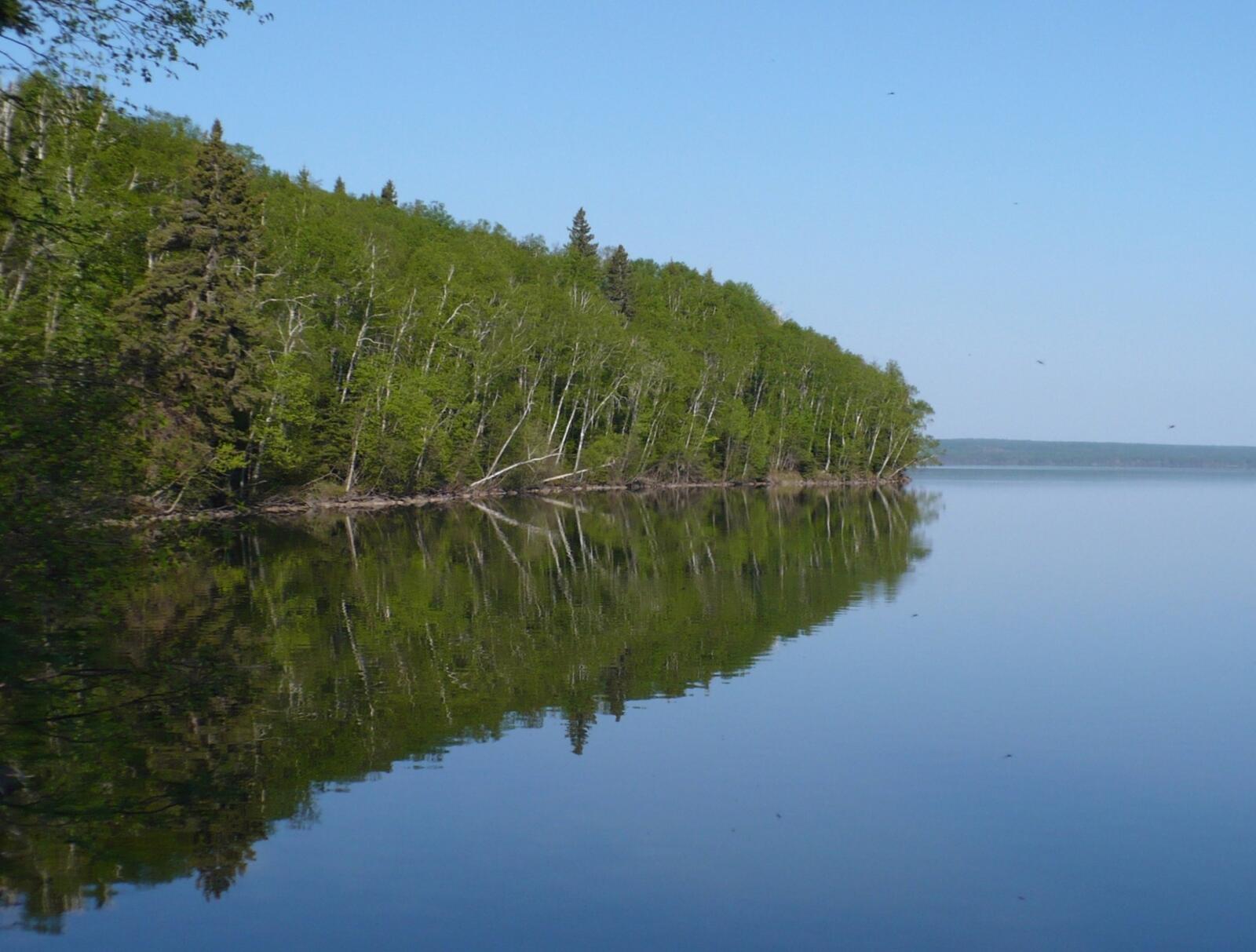
Prince Albert National Park
A park straddling the transition zone from aspen parkland to boreal forest in central Saskatchewan — home of Waskesiu, a classic Canadian resort town, and the backcountry cabin where Grey Owl (Archibald Belaney) lived and wrote his celebrated books about beaver conservation in the 1930s. Wolves, caribou, pelicans and free-roaming bison herds are all present.

Elk Island National Park
A small but ecologically vital fenced park east of Edmonton that has served as an ark for species at the brink of extinction. The plains bison, wood bison, elk and moose populations here have been used to restock parks across Canada and around the world. Over 250 bird species have been recorded, and the park's wetlands and aspen forest protect a remarkable concentration of wildlife within 45 minutes of a major city.
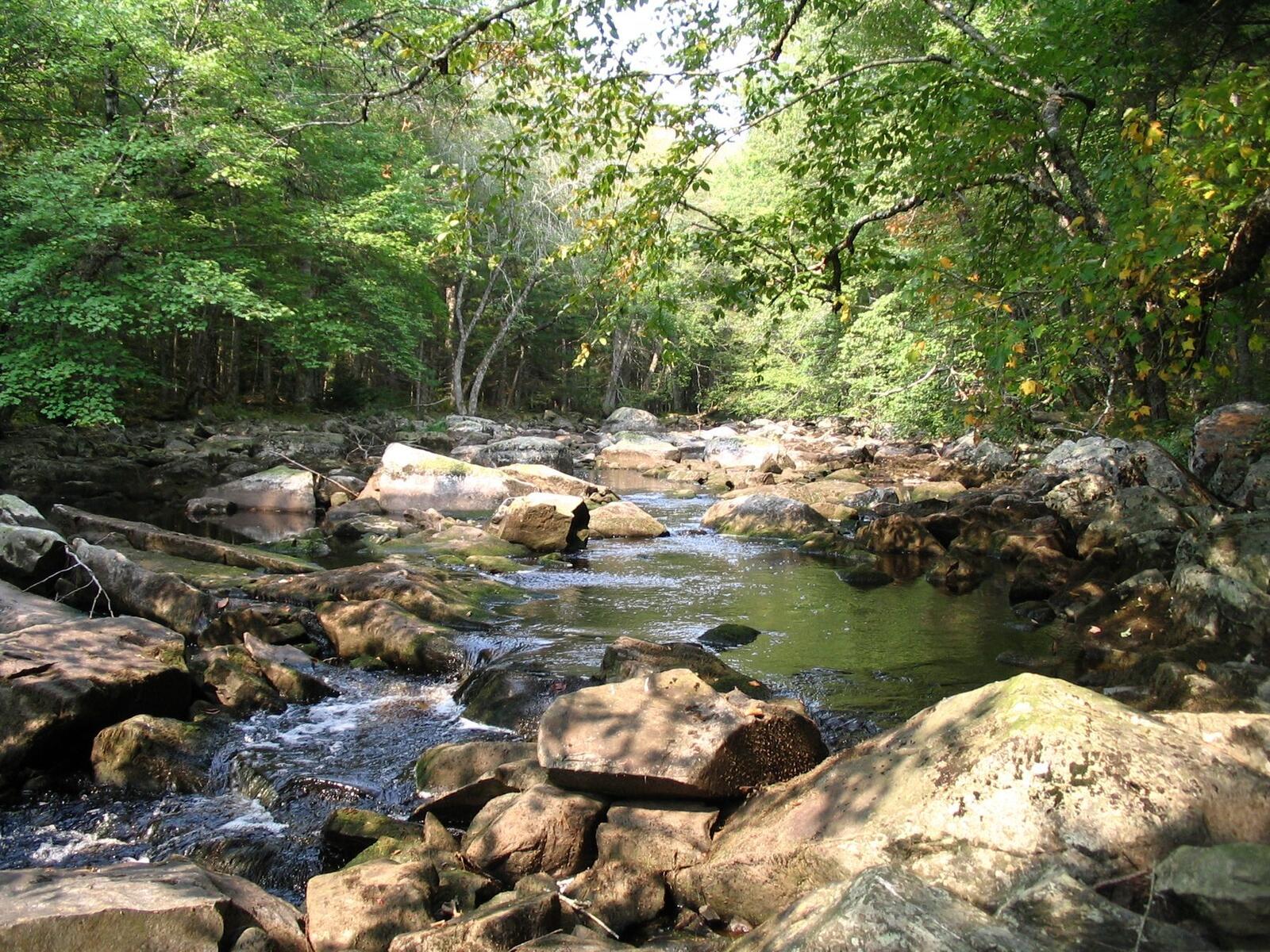
Kejimkujik National Park
Inland Nova Scotia's canoe country — a network of glacially carved lakes and rivers through Acadian forest that Mi'kmaq people have paddled for thousands of years. The park protects their petroglyphs carved into slate shorelines, snapping turtles (at their northern range limit), and some of the darkest night skies in Atlantic Canada. The Seaside Adjunct unit provides a separate stretch of wild South Shore coastline.

Terra Nova National Park
Newfoundland's oldest national park — a deeply indented boreal coastline of fjords, bogs, rocky headlands and old-growth tuckamore forest on the Island's northeast coast. Whales, seabirds and icebergs are all routinely sighted from the coastal trails. The Newman Sound campground is one of the finest on the island; the park's marine ecosystem supports a rich diversity of seabirds.

La Mauricie National Park
A lakeland wilderness of the Laurentian Highlands north of Trois-Rivières — an ancient granite landscape of over 150 lakes connected by portage routes that have been paddled for more than 8,000 years. The hardwood forests blaze with colour each autumn, drawing thousands of visitors to see the peak of Quebec's spectacular fall foliage through one of the province's most accessible wilderness areas.

Forillon National Park
The tip of the Gaspé Peninsula, where the Appalachian Mountains meet the Gulf of St. Lawrence in a series of dramatic limestone cliffs and headlands. Belugas, seals, minke and fin whales are regularly seen from the sea cliffs; common puffin and gannet colonies nest on the offshore rocks. The restored fishing village of Grande-Grave preserves the Gaspesian cod-fishing heritage.

Kouchibouguac National Park
A park of remarkable ecological diversity on New Brunswick's Northumberland Strait coast — barrier islands, warm-water lagoons, salt marshes, raised bogs and Acadian forest. The park's 25-kilometre-long barrier beach system is one of the longest in Atlantic Canada. Piping plovers nest here, grey seals haul out on the beaches, and the warm shallow lagoons make it a rare swimming destination for Atlantic Canada.

Gulf Islands National Park Reserve
A marine and terrestrial park protecting a collection of Gulf Islands between Vancouver Island and the mainland — a Mediterranean-climate archipelago of arbutus trees, Garry oaks, wildflower meadows and sandstone shores polished smooth by tide and time. The driest, warmest climate in Canada outside the Okanagan supports ecosystems found nowhere else in the country.

Mingan Archipelago National Park Reserve
An archipelago of 1,000 islands and islets in the Gulf of St. Lawrence off the North Shore of Quebec, renowned for extraordinary erosion-sculpted monoliths of limestone rising from the sea — some resembling gigantic flower pots, some like sculptures from another planet. The waters are rich in blue whales, the largest animals on Earth, which feed here in summer.

Prince Edward Island National Park
A narrow strip of dunes, red-sand beaches and wetlands along PEI's north shore, with the Green Gables farmhouse at its cultural heart. The park's distinctive red sand beaches are coloured by iron oxide in the local sandstone. Piping plovers, blue herons and osprey nest in the coastal wetlands; the beach water is among the warmest north of the Carolinas in summer.

Torngat Mountains National Park
Canada's newest national park, established in 2005, protecting the ancient mountain homeland of the Labrador Inuit (Nunatsiavut) on the northernmost tip of Labrador. Peaks rising to 1,652 metres, fjords cutting 30 kilometres inland, polar bear habitat, caribou herds and no roads — accessible only by charter boat or float plane from Nain. One of the most remote and spectacular places in Canada.

Wapusk National Park
A subarctic wilderness south of Churchill on Hudson Bay protecting the world's largest known polar bear maternity denning area. 'Wapusk' means 'White Bear' in the Cree language. Each October and November, hundreds of polar bears gather on the coast near Churchill to wait for Hudson Bay to freeze, creating one of the world's great wildlife spectacles accessible by tundra buggy.

Sirmilik National Park
A remote Arctic park on the northern end of Baffin Island — 'Sirmilik' means 'Place of Glaciers' in Inuktitut. Massive glaciers, nesting colonies of thick-billed murres and razorbills, narwhal and polar bears make it one of the most biologically rich Arctic environments in Canada. Accessible only by charter from Pond Inlet (Mittimatalik), the nearest community.

Ivvavik National Park
Canada's first national park created as a result of an Indigenous land claim agreement — established in 1984 following negotiations with the Inuvialuit. The park protects the calving grounds of the Porcupine caribou herd, the largest caribou herd in North America. The wilderness of the northern Yukon's British Mountains and Firth River valley is entirely roadless and accessible only by aircraft.

Aulavik National Park
A remote Arctic park on Banks Island — the westernmost island in the Canadian Arctic Archipelago — protecting one of the largest populations of Peary caribou and muskox in the world. The Thomsen River, one of the most northerly navigable rivers in North America, runs through the park. Accessible only by charter aircraft from Inuvik; very few people visit each year.

Quttinirpaaq National Park
The second-largest national park in the world at 37,775 square kilometres, on Ellesmere Island within 800 kilometres of the North Pole. 'Quttinirpaaq' means 'Top of the World' in Inuktitut — an apt name for this extreme Arctic environment of ice caps, muskox, Arctic wolves, Arctic hares and polar bears. Only a handful of visitors reach it each year.

Auyuittuq National Park
A dramatic Arctic park on Baffin Island's Cumberland Peninsula — 'Auyuittuq' means 'The Land That Never Melts' in Inuktitut. The Penny Ice Cap, massive granite towers rising 1,500 metres above the Akshayuk Pass, and the extraordinary Arctic light make it one of the world's great wilderness destinations for mountaineers and trekkers who can handle extreme conditions.
Provincial Parks
Canada's provincial and territorial parks protect landscapes too significant to leave unguarded — old-growth temperate rainforest, Precambrian granite wilderness, fossil-rich badlands and the sacred territories of Indigenous nations. Many are as spectacular as any national park, and less visited.

Algonquin Provincial Park
Ontario's oldest and most beloved provincial park — 7,725 square kilometres of lakes, rivers, forests and bogs that have shaped Canadian art, ecology and outdoor culture since 1893. Tom Thomson paddled and painted here; the Group of Seven followed. Moose, wolves and loons are the park's unofficial emblems. The 78-kilometre Highland Backpacking Trail and hundreds of interior canoe routes make it a wilderness destination of the first order.

Dinosaur Provincial Park
A UNESCO World Heritage Site in the Red Deer River badlands of southern Alberta — the richest dinosaur fossil bed ever discovered, yielding the bones of 39 dinosaur species from the late Cretaceous period (75 million years ago). The park's hoodoo-studded landscape, carved by glacial meltwater, is one of the most otherworldly natural environments in Canada. Guided fossil safari hikes explore restricted areas not accessible independently.

Garibaldi Provincial Park
BC's most visited provincial park — a volcanic wilderness of glaciers, azure lakes and lava plateaus beginning just 60 kilometres north of Vancouver. Black Tusk, the remnant core of an ancient volcano, is its icon. Garibaldi Lake's turquoise water sits in a caldera surrounded by glaciers; the Panorama Ridge trail offers one of the great views in western Canada. The park is also the backcountry behind the Whistler ski resort.

Gwaii Haanas National Park Reserve
A co-managed Haida Nation and Parks Canada reserve protecting the southern third of the Haida Gwaii archipelago — sometimes called 'the Galápagos of the North' for its extraordinary biodiversity. Haida villages abandoned in the 1880s smallpox epidemic, their mortuary poles now returning to the earth, line the shores. Black bears, bald eagles, peregrine falcons and ancient Sitka spruce characterize a landscape of extraordinary cultural and natural significance.

Killarney Provincial Park
A Precambrian wilderness of white quartzite ridges, clear blue lakes and boreal forest on the northern shore of Georgian Bay — known as 'Ontario's Crown Jewel' for the extraordinary clarity of its lakes and the brilliant white of its La Cloche Mountains ridges. The park was championed by A.J. Casson of the Group of Seven, who painted here repeatedly. The La Cloche Silhouette Trail, a 100-kilometre loop, is one of Ontario's great backcountry routes.

Mount Assiniboine Provincial Park
A roadless wilderness park centred on Mount Assiniboine — at 3,618 metres the highest peak in the southern Rockies of BC, its pyramidal profile often compared to the Matterhorn. Lake Magog at its base, reached by a three-day backcountry hike or a short helicopter flight from Canmore, is one of the great mountain destinations in Canada. The park's wildflower meadows in late summer are legendary.

Strathcona Provincial Park
BC's oldest provincial park, established in 1911 — a vast wilderness of glaciers, alpine meadows and old-growth forest occupying the centre of Vancouver Island. Della Falls, the highest waterfall in Canada at 440 metres, is within its boundaries. The park is the backcountry wilderness behind the Mount Washington ski area and Gold River, with countless alpine lakes and peaks that see very few visitors.

Writing-on-Stone Provincial Park
A UNESCO World Heritage Site in the Milk River valley of southern Alberta protecting the largest concentration of rock art on the North American Great Plains. The park's extraordinary sandstone hoodoos and coulee landscapes were sacred to the Blackfoot people, and their petroglyphs and pictographs are carved and painted throughout the canyon. Guided tours access the most significant panels; the surrounding coulees are hauntingly beautiful.
Regions & Scenery
Beyond the national parks and famous landmarks, Canada's most memorable experiences often happen in its distinctive regions — island archipelagos, river valleys, wine country and coastlines that have defined the character of the people who live in them. These are the landscapes that give each part of Canada its unmistakable identity.

Baffin Island
The fifth-largest island in the world and the largest in Canada — a landscape of fjords, glaciers and tundra that is the heartland of Inuit culture in the eastern Arctic. Pangnirtung, at the mouth of Auyuittuq National Park, is the main gateway community. The midnight sun in summer, the northern lights in autumn and the ice-choked straits all year make Baffin Island one of the world's most compelling Arctic destinations.

Charlevoix
A UNESCO World Biosphere Reserve stretching along the north shore of the St. Lawrence River east of Quebec City — a region of river-carved valleys, whale-watching waters, artists' studios, farm-to-table restaurants and some of the finest ski terrain in eastern Canada at Le Massif. The whale-watching season from Tadoussac, at the Saguenay Fjord confluence, attracts belugas, minke, fin and blue whales from June through October.

Georgian Bay
The 'sixth Great Lake' — a vast bay of the Great Lakes system, 190 kilometres long, bounded by the granite shores of the Canadian Shield to the north and the Bruce Peninsula to the south. The 30,000 Islands on its eastern shore constitute the world's largest freshwater archipelago, a UNESCO World Biosphere Reserve. Muskoka, the quintessential Ontario cottage country, borders its southern shores.

Haida Gwaii
An archipelago of 150 islands off BC's north coast — so biologically distinct from the mainland that it is sometimes called the Galápagos of Canada. The Haida Nation, who have inhabited the islands for at least 13,000 years, are the defining cultural presence; their monumental art, totem poles and clan houses at Skidegate and Masset are among the great expressions of Indigenous culture in North America.
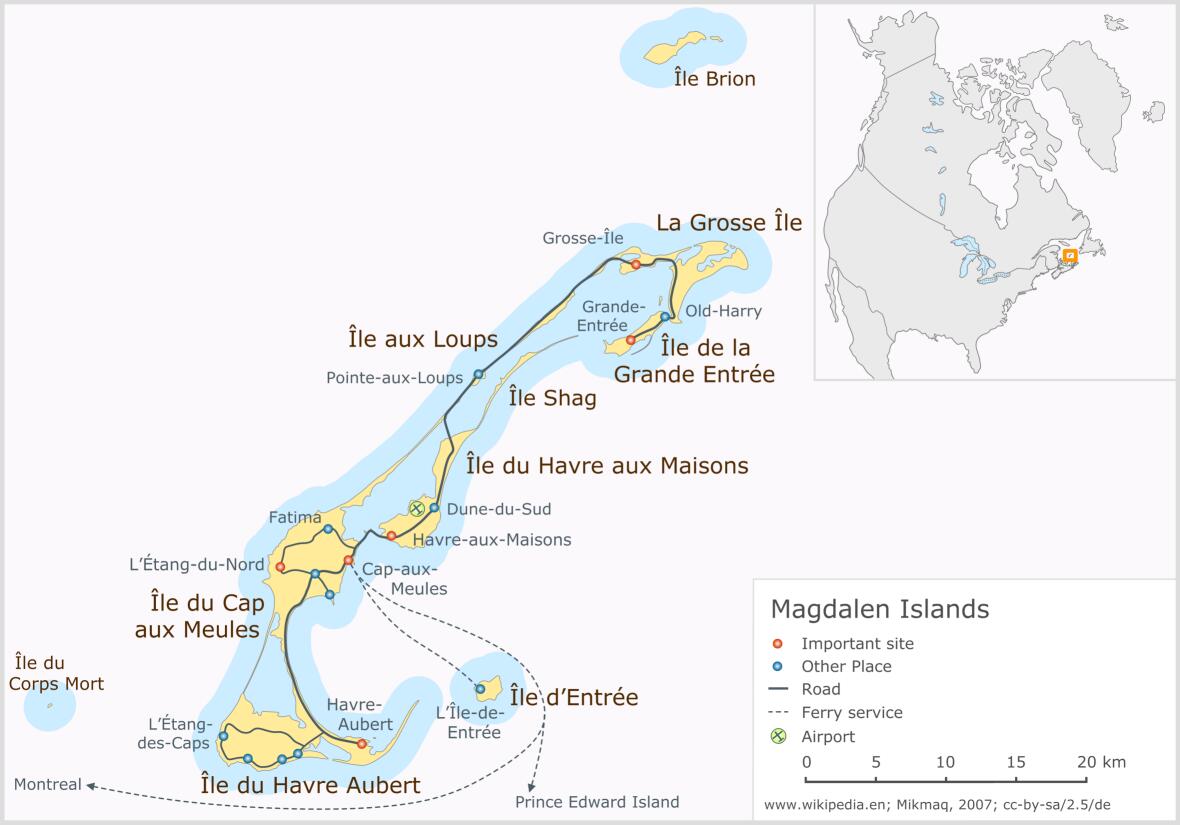
Magdalen Islands
Les Îles-de-la-Madeleine — a crescent of wind-sculpted islands in the Gulf of St. Lawrence connected by red sandstone dune causeways. A Francophone fishing culture, seafood of extraordinary quality (lobster, smoked herring, seal flipper pie), dramatic sea arches, kitesurfing in Bassin harbour and some of the warmest water in Quebec make the Magdalens one of Canada's most distinctive island destinations.

Niagara-on-the-Lake
A perfectly preserved Georgian and Regency townscape at the mouth of the Niagara River — Canada's most charming small town and home of the Shaw Festival, the only theatre company in the world dedicated to the work of George Bernard Shaw. Surrounded by wine-country estates producing award-winning Riesling and icewine, Niagara-on-the-Lake was the original capital of Upper Canada before the Americans burned it in 1813.

Okanagan Valley
Canada's warmest and driest region — a semi-arid valley carved by glaciers and warmed by the rain shadow of the Coast Mountains, producing peaches, cherries and Pinot Noir in a landscape that feels more like the south of France than the northwest of North America. The Okanagan Wine Route through Penticton, Kelowna and Oliver passes over 200 licensed wineries, and Okanagan Lake offers the closest thing to beach culture in inland Canada.

Tofino
A small town on the western edge of Vancouver Island where the Pacific finally runs out of ocean — an international surfing, whale-watching and storm-watching destination surrounded by old-growth rainforest, hot springs and First Nations territory. The Long Beach surf break in Pacific Rim National Park Reserve is the best in Canada; in winter, storm-watchers come to experience waves that cross the entire Pacific without interruption.

Vancouver Island
Canada's largest Pacific island — 460 kilometres of rainforest, mountains, surf beaches and sheltered inlets stretching from Victoria (Canada's most temperate city) to the remote wilderness of the north island. The island contains two national parks (Pacific Rim and Gulf Islands), seven provincial parks including Strathcona, the world's most accessible whale-watching waters, and some of the finest old-growth temperate rainforest remaining on Earth.
Ready to Visit? Build Your Itinerary
Type any Canadian city or province into our free itinerary builder and receive a complete, hand-crafted 5-day plan with highlights, local tips and practical advice.
Build My Itinerary →